
It’s not just summer; it’s low tide season. Tides depend on the current distance to the moon, so are not all the same. And the lowest of the year’s low tides mean a chance to spot sea anemones, starfish, and the occasional octopus or deep-sea fish trapped inside tide pools that are otherwise hidden the rest of year.
When Planning Your Trip
- Mark your calendar for Aug. 20-21 for one more lowest low tide of the season.
- Check the local tides timetable for your location on the NOAA website.
- Plan to visit any tide pools before the predicted low tide because the water starts rising right afterward. Check out more safety tips on the City Cast Portland podcast.
Wild Solitude Guiding’s outdoor expert, Norther Emily, who grew up on the Oregon Coast, gave us her picks for the best tide pools to explore:
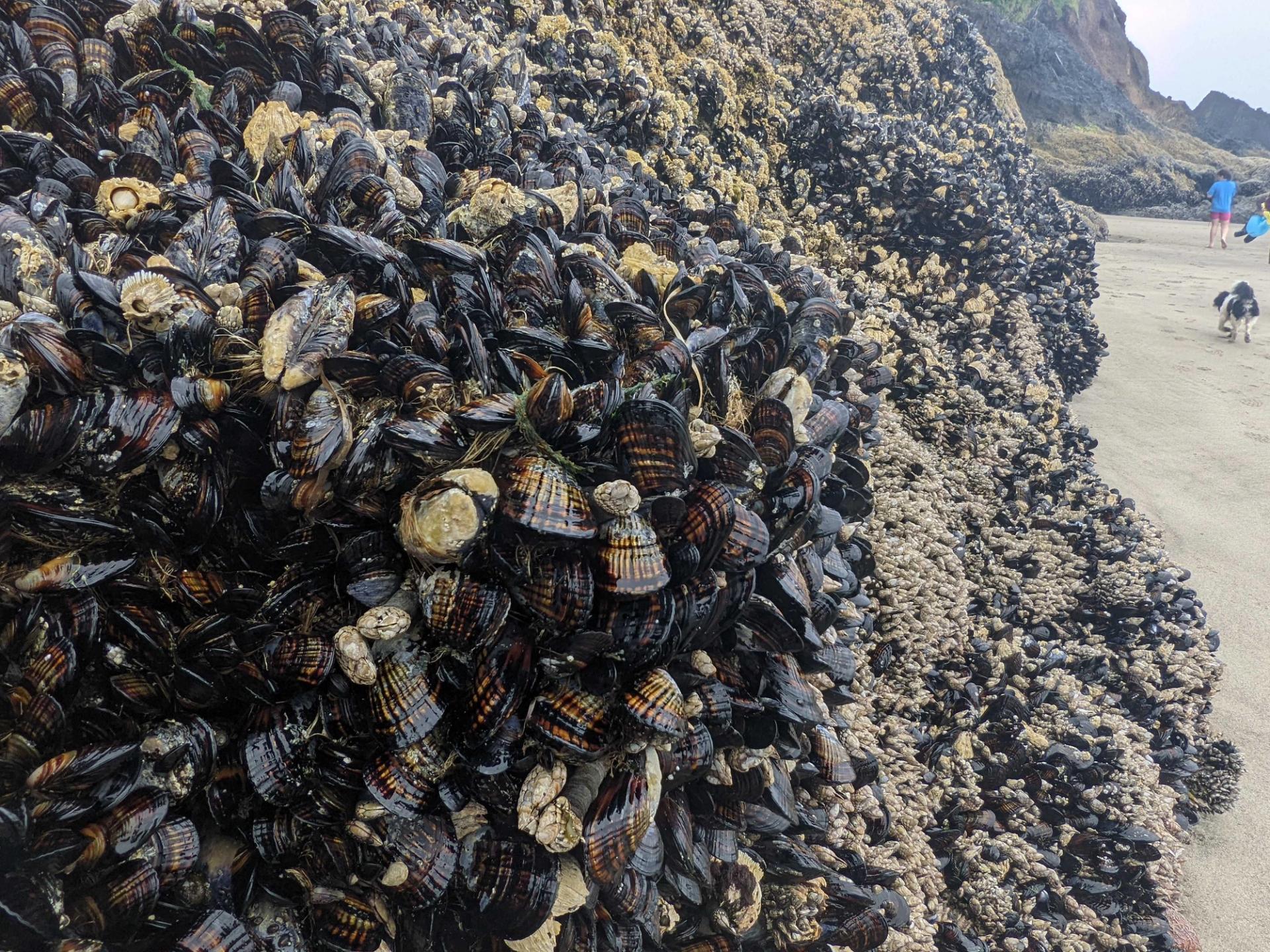
Low tide at the coast. (Rachel Monahan / City Cast Portland)
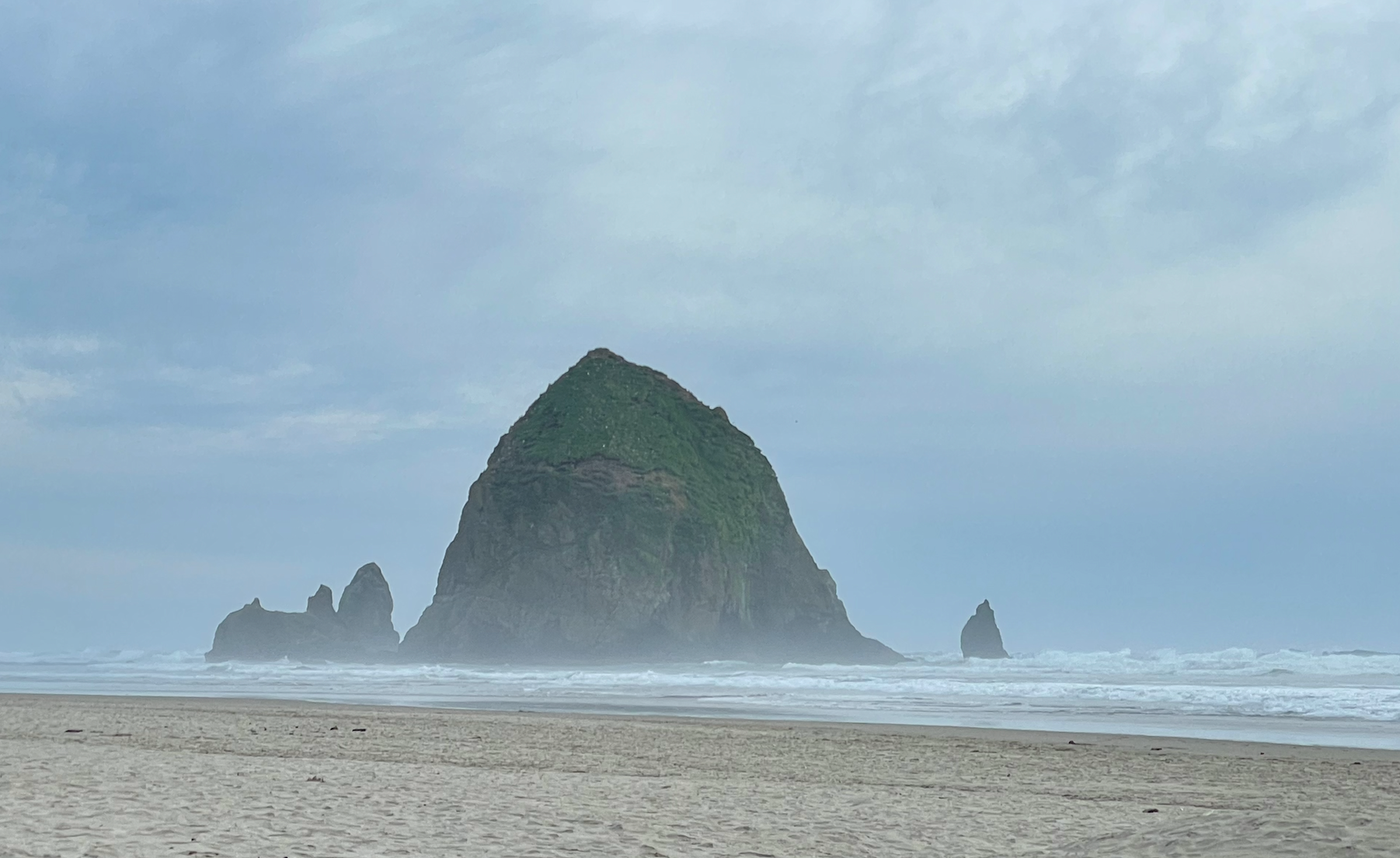
Haystack Rock (Cannon Beach)
Haystack Rock makes for an incredible beach destination anytime of year, but the low tides add an extra element.
“When you stand next to it you really get a sense of how tall it is,” says Emily. “There's a lot of tide pools all the way around Haystack Rock, and there's really cool little plants and stuff that grow on the rock.”
Word of caution: Don’t climb on any of the sea stack rocks along the coast. They’re havens for ocean birds.
Otter Rock (South of Depoe Bay, between Lincoln City and Newport)
Check out the tide pools on the beach, especially on the northern side of Otter Rock up to the Devil’s Punchbowl.
Word of caution: Checking out Devil’s Punchbowl can be real “neat.” But don’t go in the Punchbowl. “It's made of a very sandy sedimentary rock that is very similar to Cape Kiwanda — totally unstable,” says Emily.
Seal Rock (South of Newport)
“There's a lot of really cool rock features; that's a really beautiful area I don't hear people talk about very often. Seals do hang out there sometimes,” says Emily.
Yaquina Head (Near Newport)
This one gets the nod because a lot of people visit Newport for the lighthouses, but the tide pools are another reason to visit this time of year.
“It's cool to see a familiar place in a different, different circumstance,” says Emily. “Go out on the headland where the lighthouse is and check out all the exposed rocks below.”