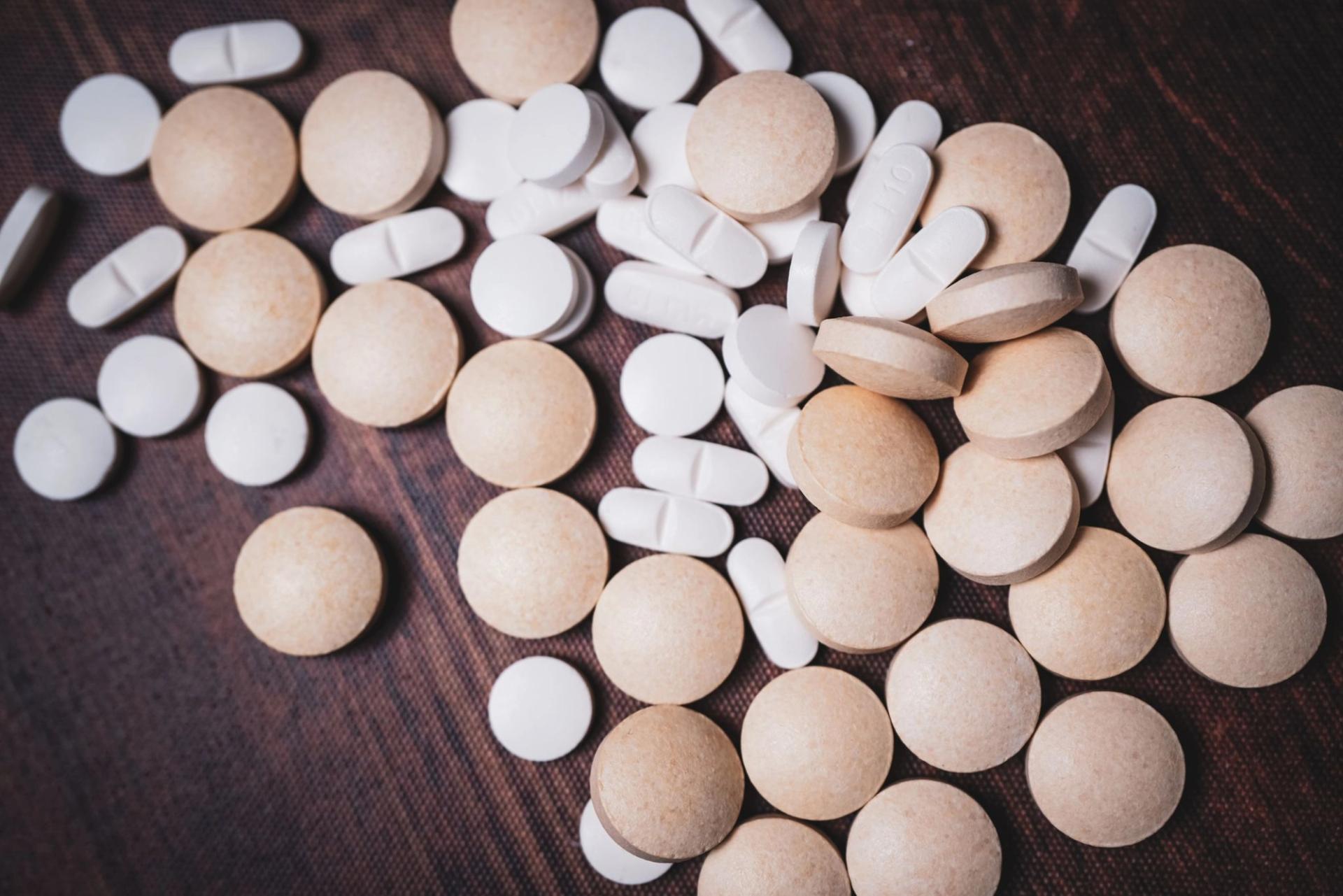
And we thought the meth epidemic was brutal. As Portland grapples with connecting people to services, the effects of fentanyl are increasingly deadly. It’s not clear whether the city, local counties, and the state are doing enough to end the crisis.
Shortages for Treatment Beds, Detox
Detox centers are turning away people by the thousands because of a shortage of beds. But then there’s also a shortage of beds at inpatient treatment centers if people make it through the first step. It’s not clear how funding from Measure 110 will provide more. Meanwhile, it’s a brutal process to get off the synthetic opioid fentanyl, and local clinics don’t yet have approval to use methadone, a drug that would work for it.
Success rates at outpatient treatment facilities are also plummeting: At one sober housing nonprofit, 90% of residents a year ago reached 60 days of sobriety; now with fentanyl more common, the success rate is at 40%. [The Lund Report]
Horrifying Drugs to Kids
A girl who still slept with her baby blanket is among the growing number of Oregon adolescents who’ve died of fentanyl overdoses. Some of the drug dealers responsible for these deaths are funding their own addiction with drug deals.
“We would often like in a situation like this, for this to be a simple story of a beautiful young woman whose life was taken by an evil and terrible man,” U.S. District Judge Michael W. Mosman said at a sentencing. “And it’s almost never the story that it actually turns out to be.’’ In one horrific case, a woman under indictment for dealing drugs that killed one teen continued to sell drugs, which killed again. [Oregonian]
Portland Police Issue More Drug Tickets
While Portland police are now issuing the tickets for drugs that were decriminalized by Measure 110, they’re skeptical it will work. And nonprofit leaders that work with unhoused Portlanders aren’t surprised the suggestion from cops to get help isn’t working: There are limited beds anyway. [Oregonian]