The frequency of natural disasters in the United States has increased exponentially — the annual average between 1980-2023 was around 8.5 weather and/or natural disasters, but zooming into the last five years, that average is around 20.4 events annually, according to data from National Centers for Environmental Information.
Preparedness is key during emergencies, so we put together helpful emergency resources.
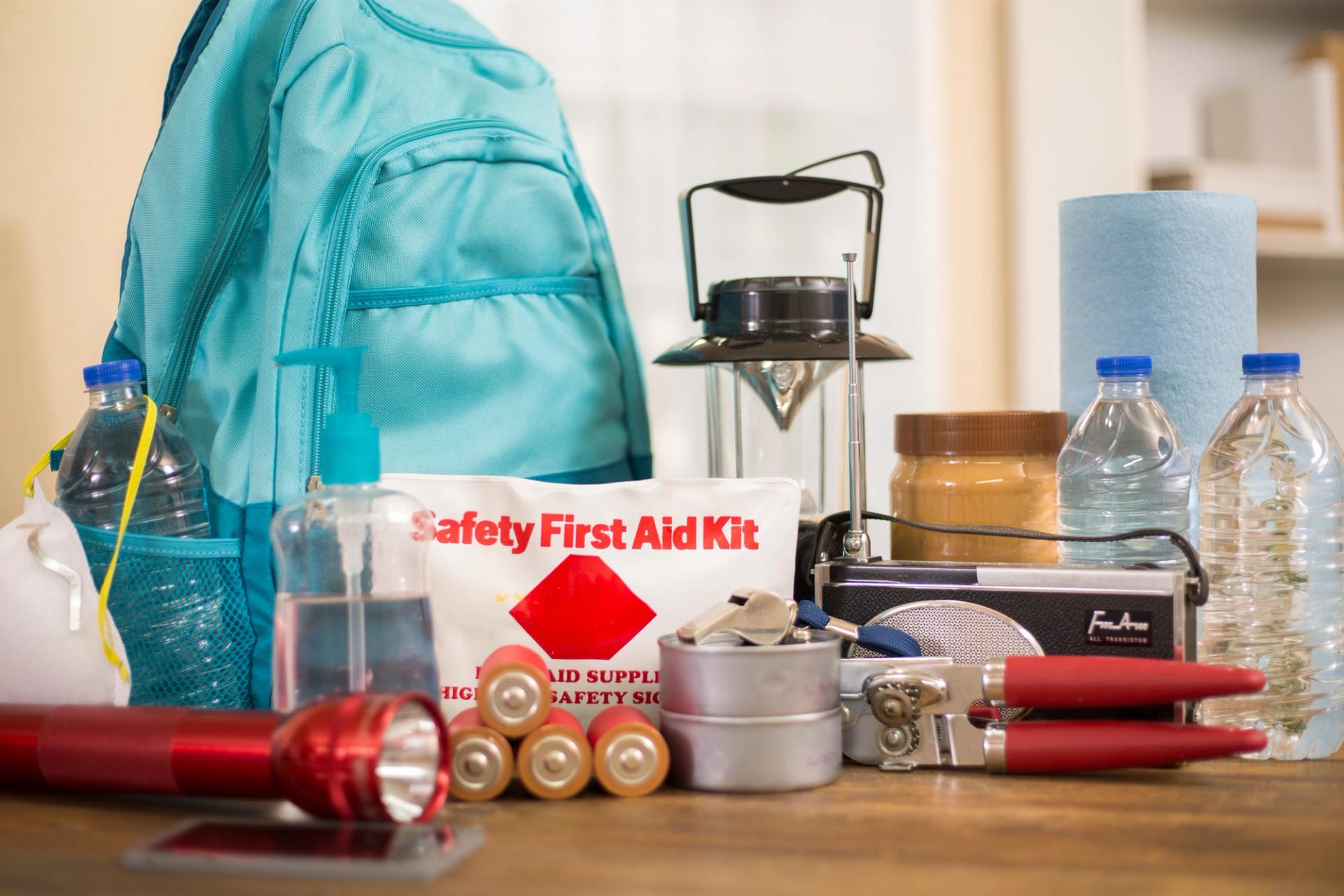
Basic Emergency Supplies
The most simple items are often the most essential in an emergency, but that means they’re also the best place to start.
🩹 First Aid Kit
Most local home improvement and outdoor stores carry kits with basic necessities like bandages and ointments. The American Red Cross sells kits and manuals for specific situations like CPR, water emergencies, bodily trauma, and more — I always keep one of their emergency preparedness kits in my car. My Medic also has great kits that you can customize or purchase pre-packed.
Check the Department of Homeland Security’s Ready website for how to build your own emergency supplies kit.
🥫 Food & Water
According to the National Safety Council, a home emergency supply kit should have three days worth of non-perishable food and one gallon of water per person, per day, for at least three days. Beyond the basics, Readywise specializes in emergency food supplies. They even have freeze-dried coffee.
➕ Bonus tip: Pick up a few extra camping food packs next time you’re shopping for new hiking gear — they make for good rations in a pinch.
⛑️ CPR Certification
Summit CPR Training in Old Town has daily classes, or you can browse CPR and first aid classes through the American Red Cross.
🐖 Emergency Fund
Saving money can feel like an impossibility these days, but putting aside as little as $10 a week can make a difference. Get started with financial tips from FEMA. And keep in mind that Oregon has an Individual Assistance Program to help with housing and expenses when a major disaster is declared.
🗂️ Safeguard Important Documents
It can feel instinctual to search for things like passports and birth certificates during an emergency, but even a few extra seconds can compromise safety. Take some time to gather important records, make paper copies, and store them in a waterproof and/or fireproof container. FEMA has a handy checklist for how to keep documents safe.
🚒 Wildfire Resources
Between 2010-2019, Oregon saw an average of 2,149 wildfires per year. Given the unpredictability of fires, reliable up-to-date information is key to staying safe. Keep these resources handy during wildfire season:
- Wildfire information: Bookmark AirNow’s interactive fire and smoke map and download the Watch Duty app for important alerts.
- Power outages: Register for outage alerts on Portland General Electric’s website and read the outage safety page.
- Road closures: Use the filters on Trip Check for adverse road conditions.
- Air quality: Check the Oregon air quality map and make your own indoor air purifier.
And Smokey Bear (who turns 80 later this week) was right: you can prevent wildfires. Because an alarming number of wildfires this year have been started by humans.

Visit the Oregon state website for more natural hazard resources.