Here’s some bright-yellow sunshiny good news: The previously threatened golden paintbrush has recovered.
Just 26 years ago, the flower no longer bloomed in Oregon. No one had seen the flower out in Oregon nature since 1938.
But since 1997, when the golden paintbrush was listed as a threatened species and given federal protection, the number of plants in the Pacific Northwest has grown more than 10-fold.
- In 1997 there were 20,000 plants in 10 locations (none in Oregon).
- Now there are 325,000 plants in 48 places (with half the locations in Oregon).
Earlier this week the U.S. Fish and Wildlife Service finalized a rule to delist the plant from the Endangered Species Act protection.
The prairie flower likes full sun and can struggle when competing with nonnative grasses. Fire suppression along with farming and urban growth caused its population decline. (It does best with fire every three to five years.) The receding of the last ice age formed its habitat.
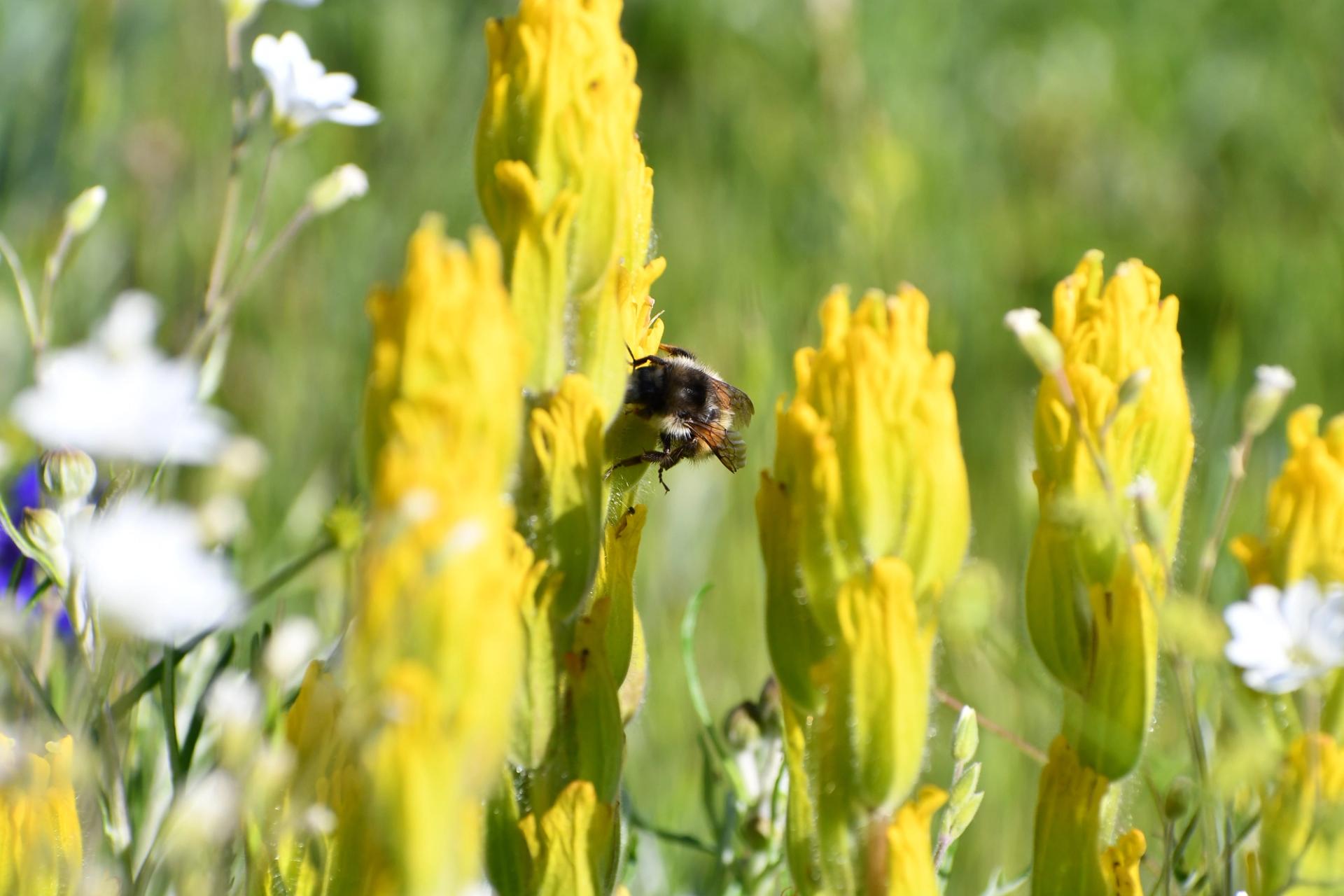
The plant grows to 12 inches, and it looks like what the name says — a paintbrush! Can you see it?
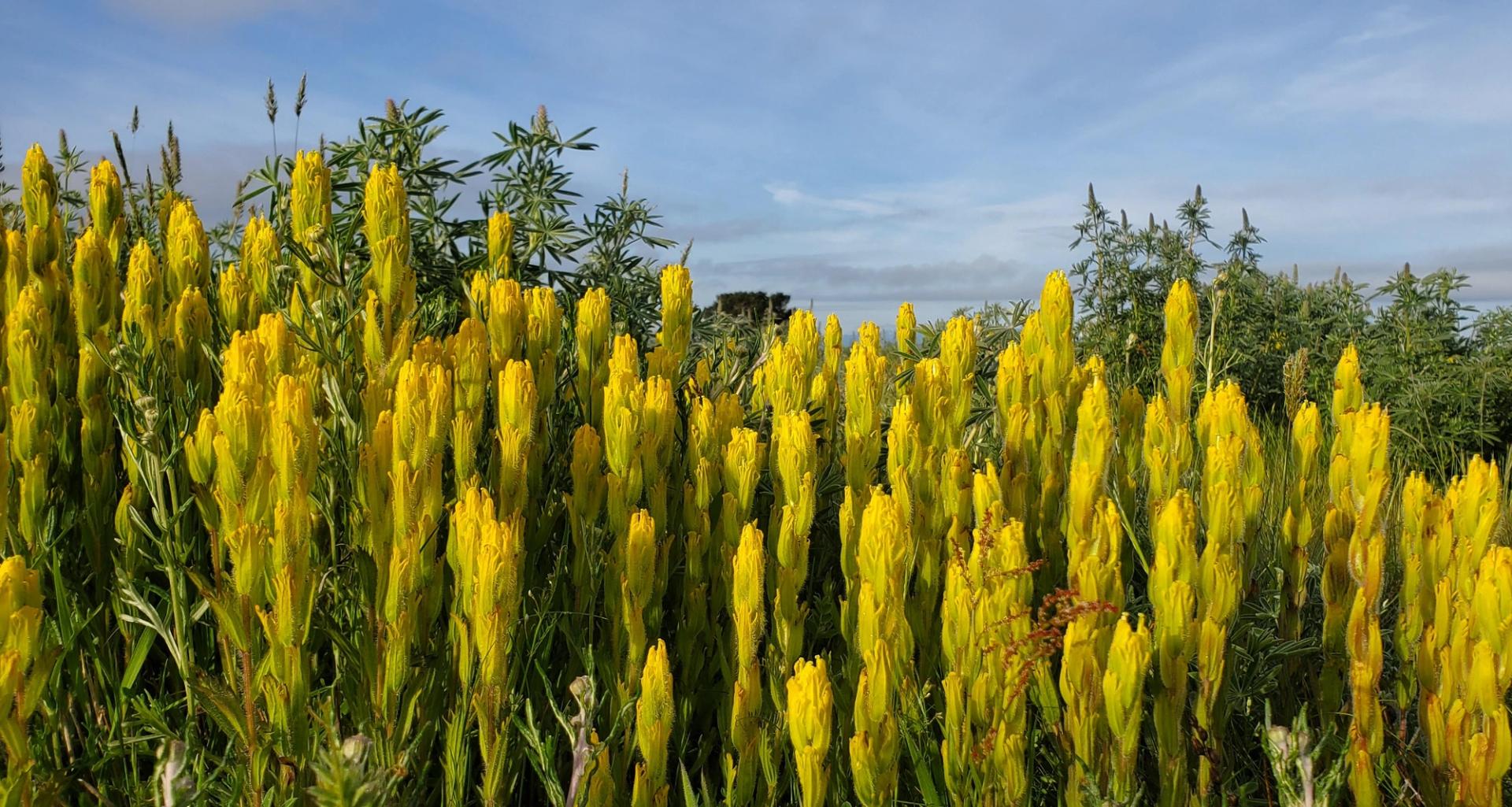
Golden paintbrush grows in Benton, Lane, Linn, Marion, and Multnomah Counties. (U.S. Fish and Wildlife Service)
Since the Endangered Species Act passed in 1973, 50 species have been delisted, just like the golden paintbrush, including two Oregon fish species (Foskett speckled dace in 2019, Borax Lake chub in 2020) as well as two Oregon plants (Bradshaw’s lomatium in 2021 and water howellia in 2021).
But still, success stories remain the exception rather than the rule. More than 99% of all species listed under the law are still threatened or endangered.