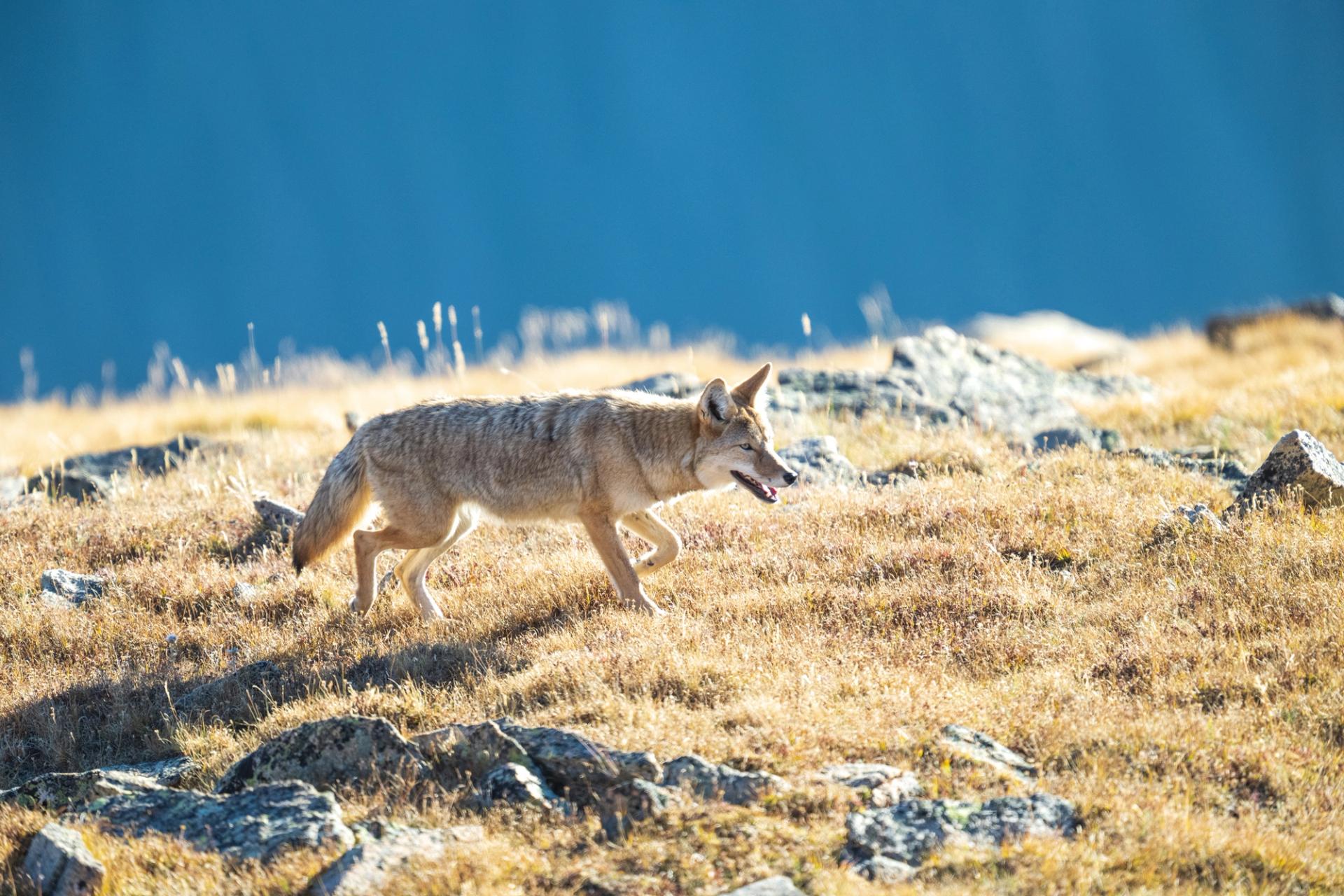
The printed (or digital) page may not be the best way to get to know a coyote.
Their nickname, after all, is song dogs. Their calls are the stuff of nightmares (or concert performances; take your pick).
Even scientists focused on their vocal talents in giving them their Latin name — Canis latrans, which translates as "barking dog.”
Coyotes are relatively recent additions to the Portland landscape. The elimination of wolves by the middle of last century along with their own adaptability helped them expand throughout the United States.
It wasn’t until the 1940s that they moved west of the Cascades. They’ve been in the metro area since at least the 1980s. Now coyotes can be spotted almost everywhere in Portland, with the possible exception of the most densely populated blocks downtown. (They’ve settled in other cities as well, including Los Angeles and Chicago.)
It’s not clear if the local coyote population is increasing, but nationally there are likely more of them now than ever.
Fun Facts
- Western coyotes are smaller than a German shepherd, somewhere around 25 to 40 lbs. They have tails that point downwards and have a dark tip, resembling a paint brunch.
- They’ll eat anything: fruits and vegetables, garbage, and rodents — as well as pets like cats and small dogs or livestock.
- They’re quick: they can run 40 m.p.h.
- They hunt alone, but are social and live in packs.
- They have an extraordinary sense of smell and good eyesight.
A Guide to Coexisting With Coyotes
Help them stay wild and wary of humans:
- Do not feed them.
- Keep pet food indoors.
- Keep garbage in closed containers.
- Pick up any fruit that falls from trees.
In the event of coyote sightings, observe them from a distance.
- Make a large noise to scare them off.
- Consider reporting the sighting to the scientists who track them.
Keep pets safe:
- Particularly if there have been coyotes in your neighborhood and ones that have been acting comfortable around humans, keep pets indoors or dogs leashed while outdoors. Take particular precautions at night, when it’s more common to see them.
Report unusual behavior:
- If a coyote is aggressive, unintimidated by loud noises, or injured or sick, report the coyote to the Oregon Department of Fish and Wildlife at 971-673-6000.