Are you feeling a little old? At least you’re not 400 million years old.
Pacific lampreys predate you, me, and the dinosaurs.
The species is older than trees. They’re one of the oldest species on Earth.
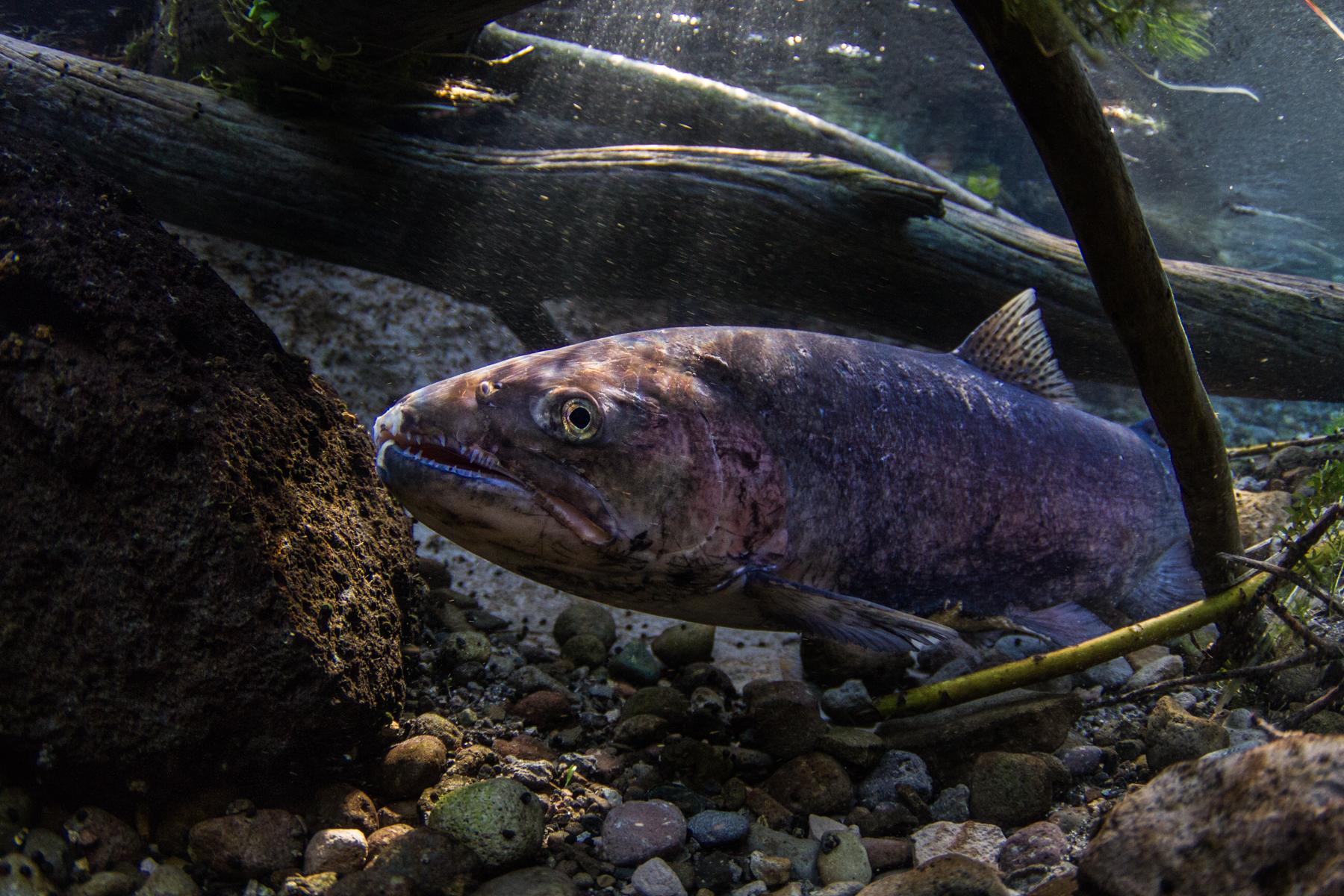
Pacific lampreys look like eels, though they’re only distantly related. They have no jaw or scales. They have “sucker-like mouths and concentric rings of sharp yellow teeth” — at least their zookeepers see an unconventional “cuteness.”
Pacific lampreys have persevered through eons — through three ice ages and the world’s five mass extinction events — but they’ve struggled in the last 75 years, with the loss of habitat and climate change.
The good news: The Oregon Zoo and the Confederated Tribes of the Umatilla Indian Reservation are trying to help out. Pacific lampreys will be staying at the zoo through winter. Then they’ll be returned to their former habitat above the dams in the upper Columbia and Snake rivers to spawn. They’re an important fish for native tribes, who have celebrated success with recent restoration efforts. (You can check them out in the Cascade stream and pond section of the Great Northwest area of the Oregon Zoo, in the meantime.)
Basic Facts
- 13 - 33 inches
- Up to 1 pound
- 40 species of lampreys in the world
- Habitat: Similar to salmon, they’re found up the West Coast from California to Alaska, but also in Russia and Japan, across the Bering Sea.
- Also like salmon, they spawn in freshwater and migrate to the ocean.