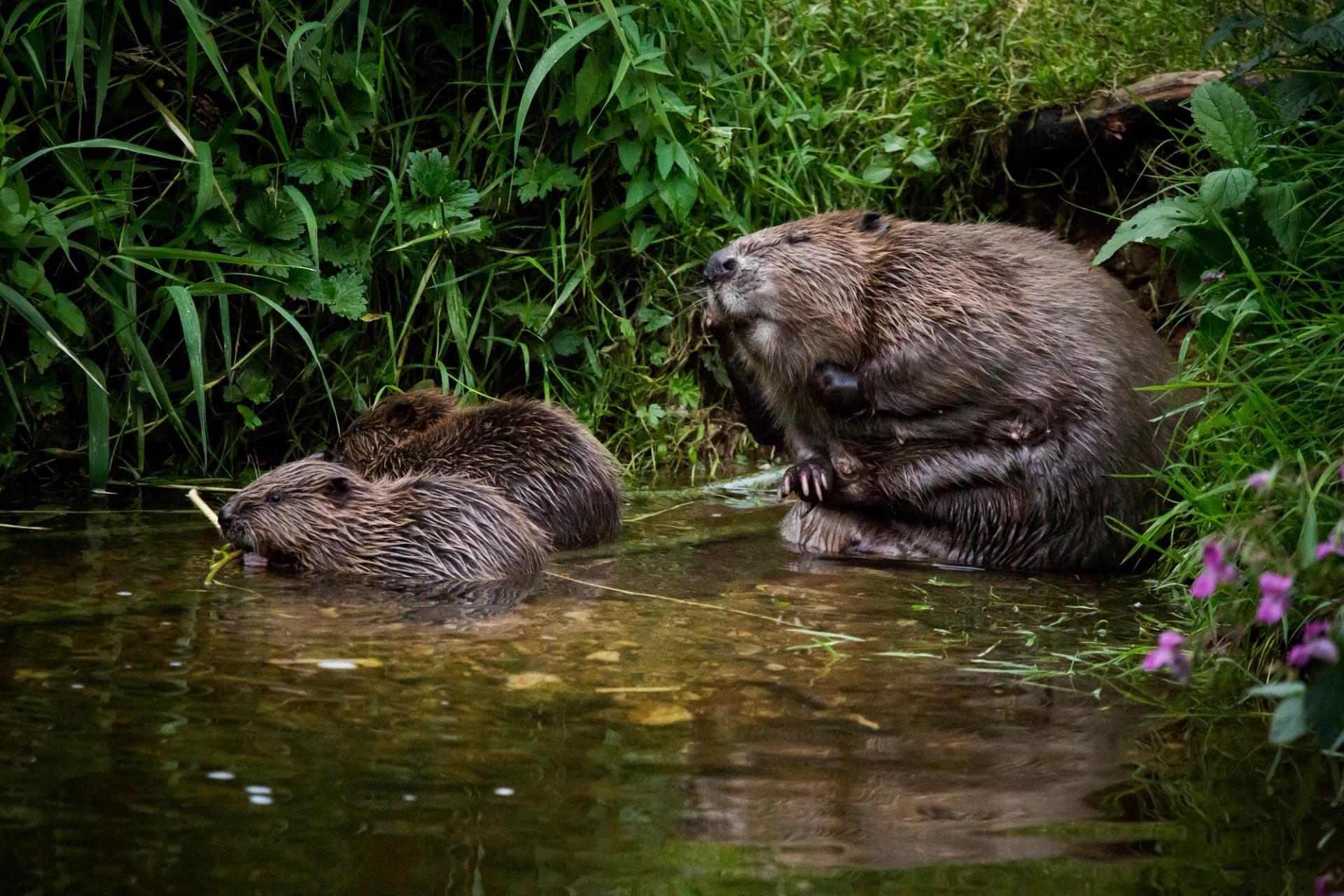
For a creature so synonymous with Oregon, the beaver hasn’t exactly received the type of treatment befitting the official state animal. Beavers have long been classified as predators in Oregon, that is until House Bill 3464 — adorably called the “beaver bill” — went into effect on July 1. The reclassification from “predator” to “furbearer” means landowners must first try non-lethal options for getting rid of a pesky beaver, then obtain a permit to kill if those fail.
It’s been a long journey, but wildlife experts have been raising awareness about the critical role beavers actually play in the local ecosystem.
Why Beavers Matter
Here are just some of the ecological benefits that beavers and their dams have on their surrounding habitats:
- Their dams recharge groundwater.
- They help maintain a healthy stream flow.
- They build up watershed biodiversity.
- They reduce wildfire risk.
Beavers in the Wild
- Beavers typically prefer slow-moving streams, ponds, and marshes surrounded by willows, aspens, cottonwoods, and alders for food and building materials.
- In the wild, beavers typically live 10 to 12 years and grow to weigh anywhere from 35 to 65 pounds.
- Beavers are herbivores, eating bark, leaves, and aquatic vegetation.
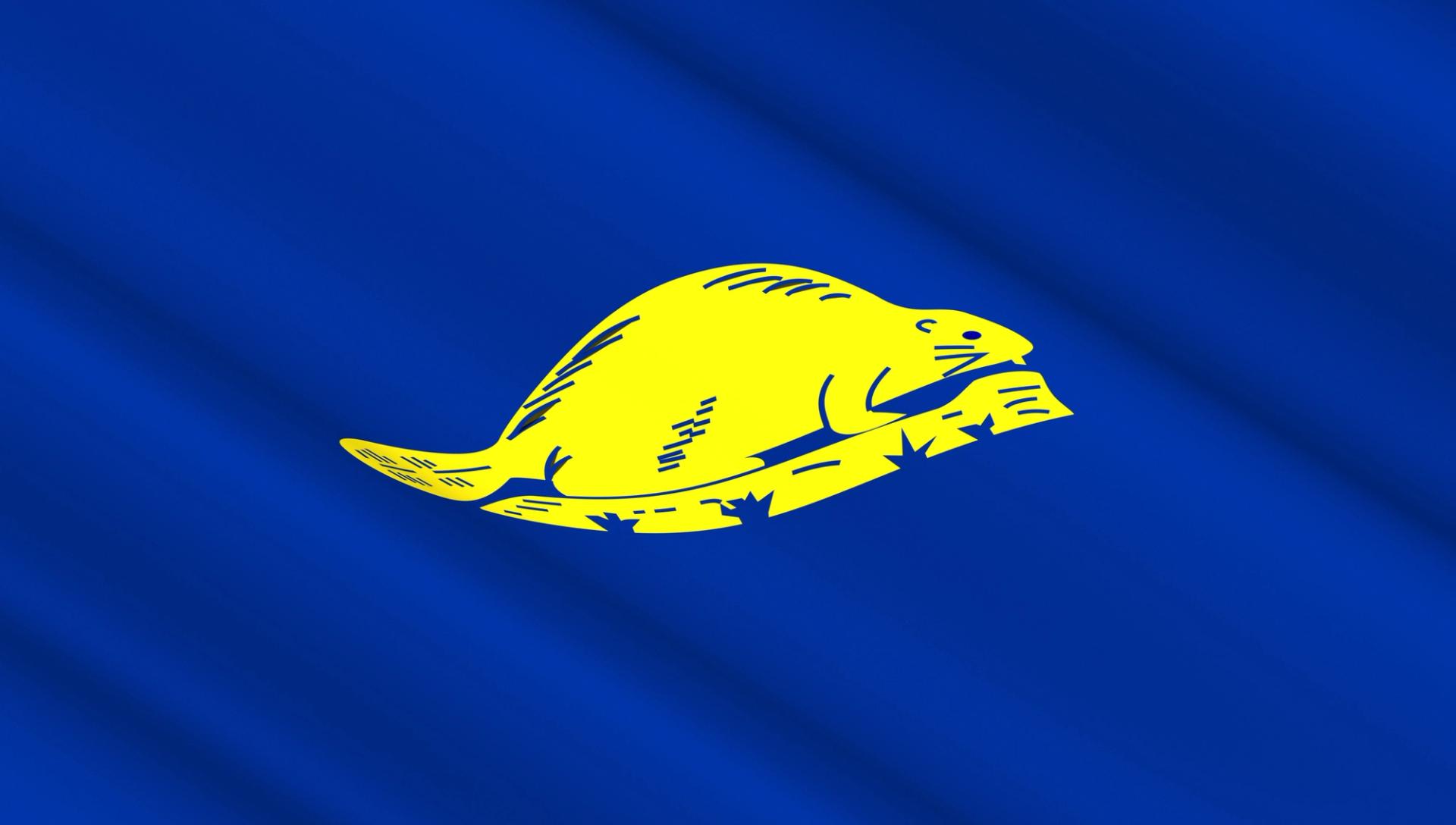
A furball worthy of a flag. (ppart / Getty)
Beaver Fun Facts
- Beavers’ teeth are as strong as metal and never stop growing (they can grow up to 6 feet over a beaver’s lifespan!) but stay trimmed down as they constantly gnaw on wood. A thick coating of iron-fortified enamel makes their teeth appear orange.
- Contrary to popular belief, beavers don’t use their long, flat tails to pat down mud. Rather, beavers use their tails as rudders while swimming in the water, as a balancing prop when carrying large loads of sticks, and to slap the water in communication with other beavers.
- Beavers are monogamous. They live and work in family colonies of two to 12 members.