If you’ve never heard of a fin whale, it might just be a lesson in being second best.
Fin whales are the second largest species of whale, making them — oh, just the second largest mammal species. (You’ve surely heard of the blue whale — that giant of the sea.)
So today:
Get to Know No. 2 🐋
Fin whales live in all the world’s oceans, though they spend less time in the tropics. Instead they spend summers in Arctic or Antarctic regions; they winter closer to the tropics.
One measure of their size is that they eat up to 2 tons of food every day. (Their diet consists of krill, squid, and small fish, including herring. They forego food during the winter months, while they swim to warmer waters.)
Another indication of these creature’s huge stature: their newborn calves weighup to 6,000 pounds and are 18 feet long.
And then there’s their actual size 📏:
- Weight: Up to 80 tons
- Length: up to 85 feet
Also: they’ve got longevity. They live 80 to 90 years.
Fun tidbits 🐳:
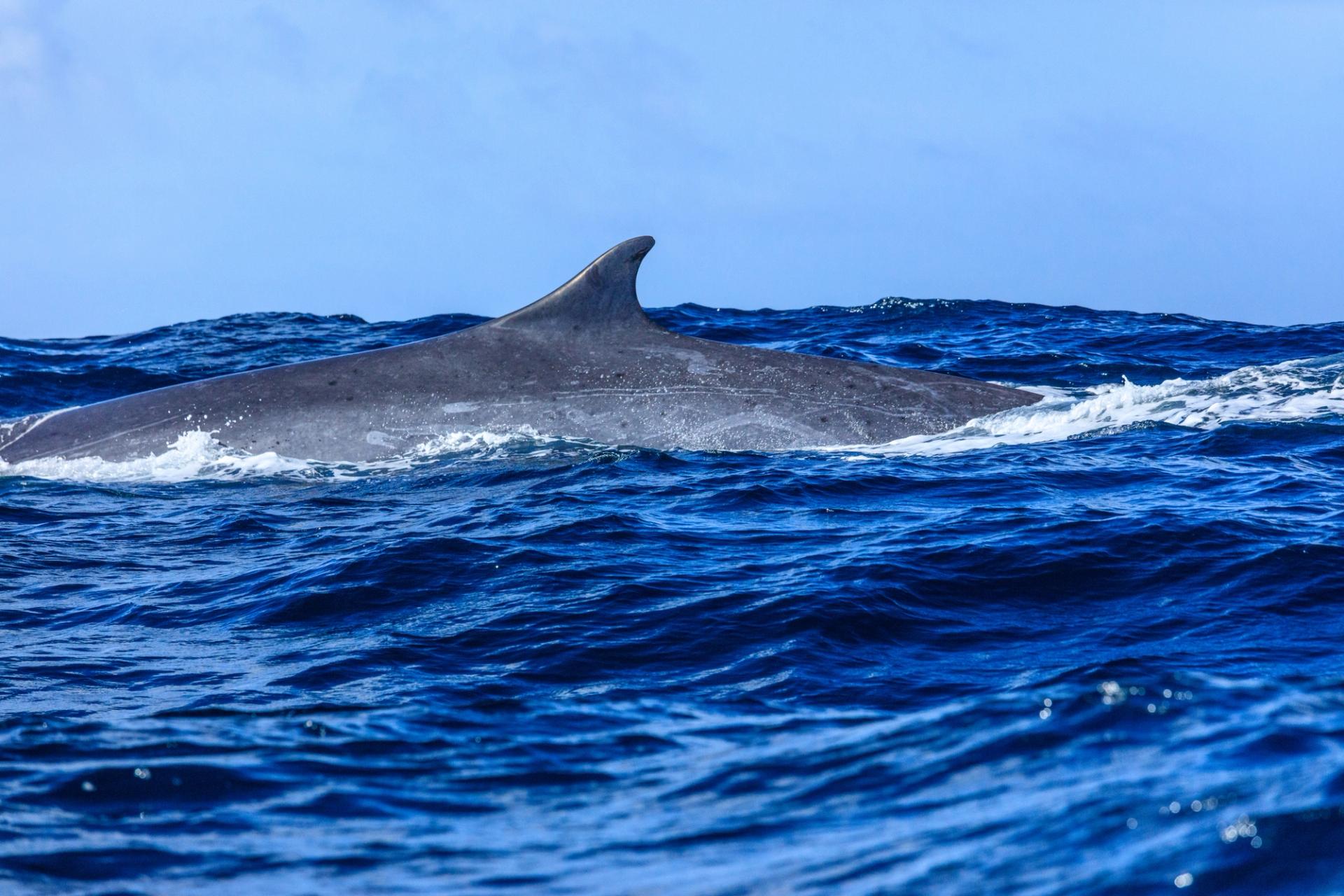
- They’re named for their distinctive dorsal fin.
- And they have an unusual split color of their lower jaw: right is bright white; left is black.
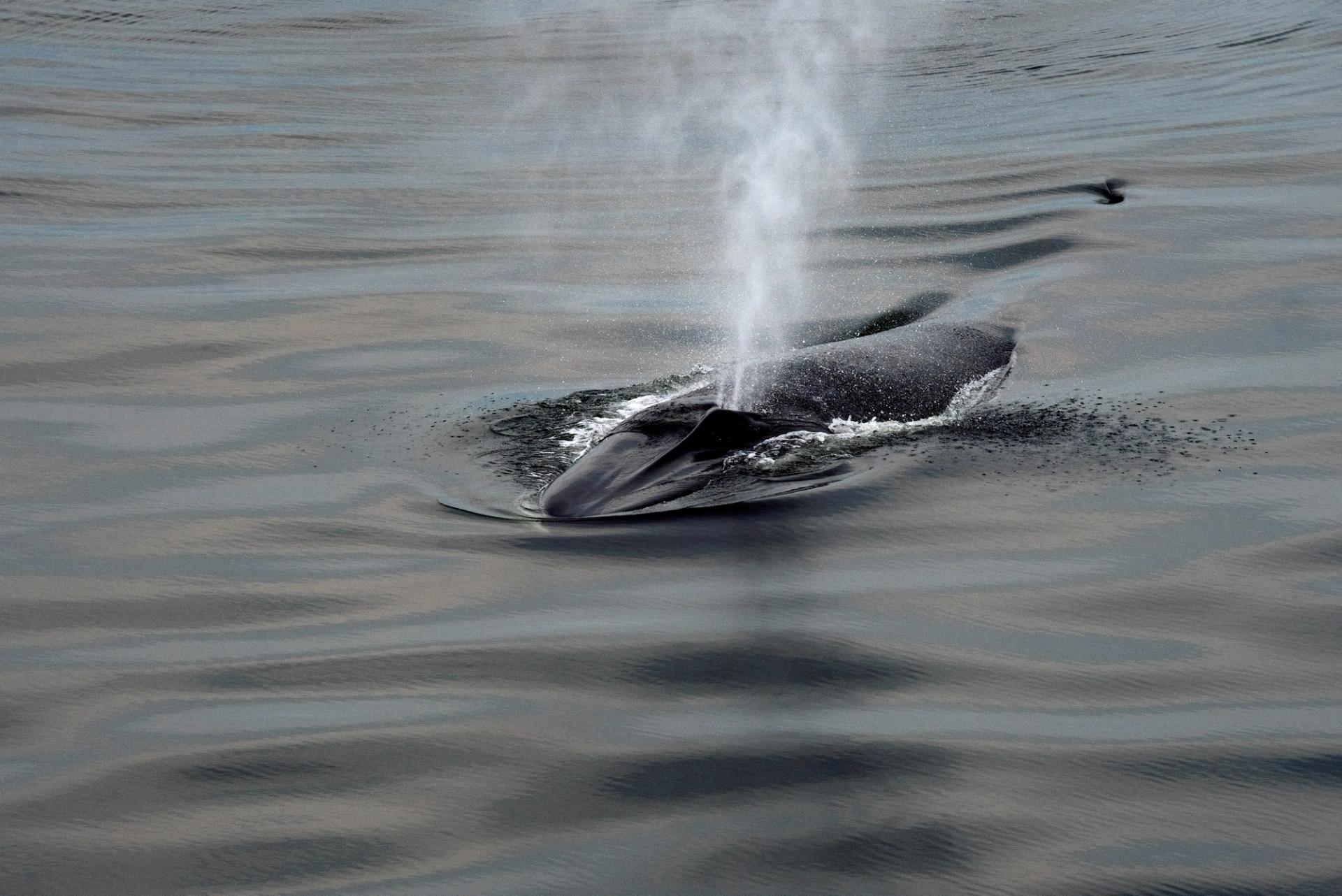
Fin whale. (grandriver / Getty Images)
Fin Whale in the News 🌊
If you have heard of fin whales, it may have been because of this week’s sad news. A dead fin whale beached at Sunset Beach State Park in Warrenton, Ore., on Monday. While fin whales are prey to fishing lines and other entanglements (and this one did have a rope on it), it likely wasn’t killed by that: The cause of death was probably a disease it had for a while.
Fin whales are endangered, with an estimated 50,000 to 90,000 worldwide, though they’re not often seen because they stay in deep ocean water. While they are no longer hunted, humans are still causing them troubles: A major threat is collisions with ships.